


DOCTOR’S ADVICE: DIFFERENT TYPES OF COUGHS
24/05/2022
COUGH & COLD ADVICE FROM A DOCTOR
Coughs are one of the most common symptoms people experience alongside a cold, especially during the winter months. However, not all coughs are the same, and understanding the type of cough can help you choose the right treatment and manage symptoms effectively.
This advice comes from a doctor with over 30 years of experience as a GP who specialises in coughs and colds. Find out their medical advice below.
Note: The doctor does not endorse any medical brands or products.
If you’ve tried several remedies but your sore throat or cough just won’t go away, this video might help. A specialist doctor outlines the different types of coughs you need to know about, so you can choose a suitable remedy. Get ready to fight back against your cough.
WHY IS IT IMPORTANT TO IDENTIFY THE TYPE OF COUGH YOU HAVE?
When you say you have a cough, do you know what type it is? It’s a myth that there’s only one type of cough, and because of this, you should choose your treatment appropriately. Treating a dry cough is different to clearing a mucus-filled chest. Your cough is your body’s way of telling you something is wrong, so treating it correctly is crucial.
CHESTY COUGH
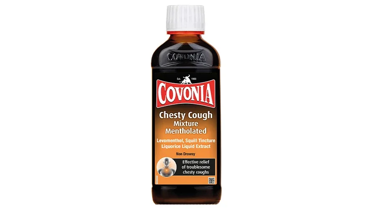
A chesty cough, also known as a productive cough, is caused by a build-up of mucus in your airways, which triggers your cough reflex to get rid of the congestion and mucus in the lungs. It often feels heavy on your chest, is raspy, and can temporarily block your throat.This can be accompanied by a sore throat, and is often worse in the mornings, as lying horizontally overnight allows mucus to build up. For these types of coughs, you can try products like Covonia Chesty Cough Mixture Mentholated, which are specially formulated to take on chesty coughs, helping relieve the congestion while soothing sore throats.
Common causes of a chesty cough include:
-
Colds and flu
-
Chest infections
-
Bronchitis
-
Excess mucus in the airways triggered by a virus, such as sinusitis
-
Allergies
DRY OR TICKLY COUGH
A tickly cough is also caused by inflammation of your throat and upper airway, but unlike a chesty cough, it doesn’t produce phlegm or mucus. Dry, tickly coughs, also known as non-productive coughs, are often frustrating as they cause a constant urge to cough due to a tickle or itch in your throat. You may experience frequent coughing fits, with symptoms worsening as you lie down or talk for extended periods.
Common causes of a dry, tickly cough include:
-
Air pollution
-
Dust allergy
-
Colds and flu
-
Sudden changes in temperature
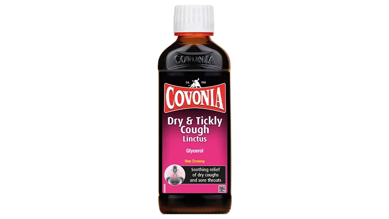
They can be uncomfortable, and you may have a sore throat from coughing too much, trying to get rid of mucus that isn’t actually there. If this sounds like the cough you have, soothe your throat with a product formulated to take on those symptoms, like Covonia Dry & Tickly Cough Linctus.
PAROXYSMAL COUGH
A paroxysmal cough is characterised by violent and intense coughing attacks, often making a whooping sound. They can be difficult to control or calm once they begin, and can be extremely exhausting. Common causes of a paroxysmal cough include:
-
Asthma
-
Whooping cough
-
Severe respiratory irritation or inflammation
-
COPD
-
Pneumonia
-
Tuberculosis
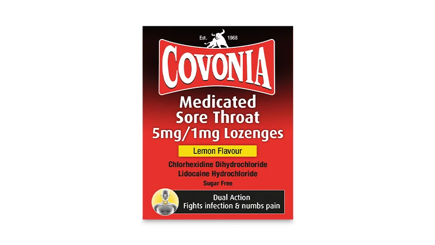
It’s important to visit your doctor if you suspect you have a paroxysmal cough, as treatment such as antibiotics may be necessary. To help manage symptoms in the meantime, cough drops such as Covonia Medicated Sore Throat & Cough Lozenges can help calm and provide temporary relief.
CROUP COUGH
Croup cough mainly affects children as they have smaller airways. It is caused by a viral infection, causing irritation and swelling, which can make breathing difficult. Croup cough also has a distinctive barking sound, which helps to identify it. Although uncomfortable, the croup cough should ease on its own; however, if your child is experiencing chest pains or a high fever, then a doctor may prescribe steroids.
CAN A COUGH CHANGE TYPE?
Some coughs may evolve over time, especially as your cold develops into a new stage. For example, a viral infection with a dry cough may become chesty, and mucus develops, or a chesty cough may become a dry cough that lingers after you clear the phlegm and are recovering.
WHEN SHOULD I SEE A DOCTOR FOR A COUGH?
Most coughs tend to clear up without needing to see the GP. However, if your cough persists for over 3 weeks or if you are coughing up blood, then it’s best to seek medical advice.
For more expert information, read our General Cough Guide or visit our Articles and Advice Hub.
RELATED ARTICLES & ADVICE
For more information and expert advice on how to fight back against cold and flu, visit our blog.

Learn how to fight back against common colds & the flu with our expert advice on the differences, symptoms & treatments.

Is man flu a thing? Hear an independent doctor set the record straight with her expert advice on man flu & its meaning.

A specialist doctor explains how cough medicines work so you can fight your symptoms head-on and feel better, fast.